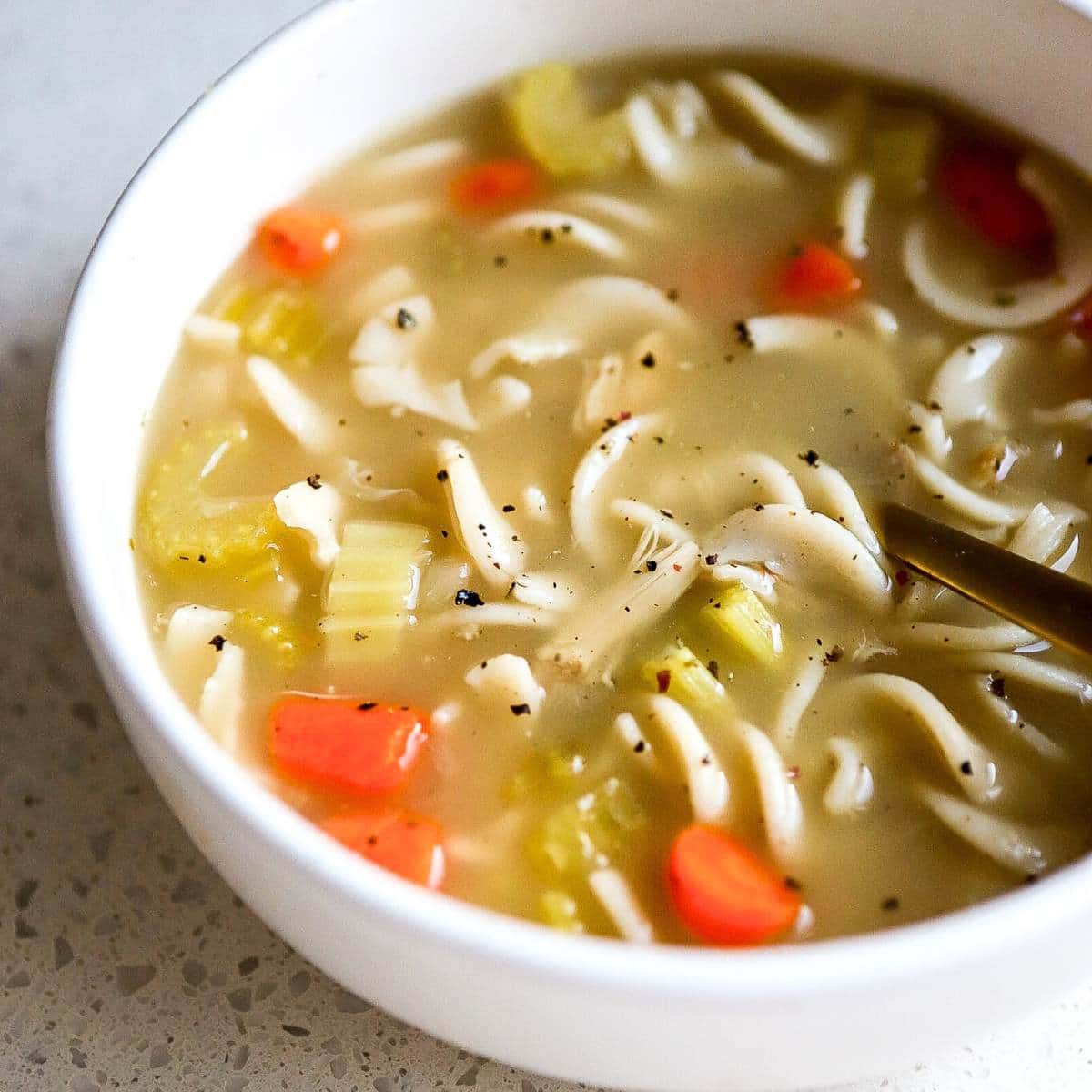
Maximize Leftovers: Unlock Flavor with Our Budget-Friendly Chicken Carcass Soup Recipe
In a world increasingly focused on sustainability and smart home economics, the humble chicken carcass often gets overlooked. After a delicious roast chicken dinner, what's left behind isn't waste—it's a golden opportunity. That pile of bones and remnants is the foundation for one of the most comforting, budget-friendly, and profoundly flavorful meals you can create: homemade chicken carcass soup. Forget expensive store-bought broths; with minimal effort and a handful of basic ingredients, you can transform what seems like kitchen scrap into a culinary masterpiece that nourishes both body and soul.
This comprehensive guide will walk you through the process of crafting an incredible chicken carcass soup, elevating your leftover game and ensuring every morsel of your roasted or rotisserie chicken contributes to another spectacular meal. Get ready to embrace the art of maximizing flavor and minimizing waste!
The Unsung Hero: Why Your Chicken Carcass Deserves a Second Act
At first glance, a picked-over chicken carcass might not seem like much. However, within those bones, cartilage, and clinging bits of meat lie a treasure trove of flavor and nutrients waiting to be extracted. Making chicken carcass soup isn't just about cooking; it's about culinary alchemy and smart resourcefulness.
Beyond the Roast: Unleashing Hidden Flavors
The beauty of simmering a chicken carcass lies in its ability to produce a broth that's far superior to anything you can buy in a carton. As the bones and connective tissues slowly break down, they release collagen, gelatin, minerals, and a complex array of savory compounds that infuse the water with an unparalleled richness. This process results in a deeply golden, aromatic, and full-bodied broth—the very soul of any great soup. The residual meat, often overlooked, becomes tender and succulent, adding protein and texture to your finished dish.
The Economic Advantage: Stretching Your Food Budget
One of the most compelling reasons to make chicken carcass soup is its incredible cost-effectiveness. By repurposing the "waste" from your initial chicken meal, you effectively get two, or even three, meals for the price of one. This isn't just about saving money on groceries; it's a powerful step towards reducing food waste in your kitchen. Instead of discarding valuable resources, you're giving them a delicious new purpose, making every penny of your food budget work harder for you.
Crafting the Perfect Pot: A Step-by-Step Guide to Our Chicken Carcass Soup
Making homemade chicken carcass soup is surprisingly simple, requiring more patience than skill. The magic happens during the long, slow simmer, which builds layers of flavor that will leave your taste buds singing.
Essential Ingredients for Your Flavor Base
The foundation of any great soup is its aromatic base, often referred to as a mirepoix. For our chicken carcass soup, you'll need:
- Leftover Chicken Carcass: From a roasted or rotisserie chicken. Don't worry about getting every last shred of meat off; those bits will contribute to the broth.
- Filtered Cold Water: Using cold water allows the flavors to extract slowly and efficiently, leading to a clearer, more flavorful broth.
- Olive Oil (or Avocado Oil): For sautéing your aromatics.
- Aromatics: One large onion, 2-3 carrots, and 2-3 celery stalks, roughly chopped. These vegetables are the classic trio that builds a sweet, earthy depth.
- Seasonings: Sea salt, freshly cracked black pepper, 2-3 bay leaves, and dried herbs like oregano and basil. Fresh parsley or thyme can also be added for extra zest.
The Simmering Secret: Extracting Maximum Flavor
Once you have your ingredients ready, the process unfolds beautifully:
- Sauté the Aromatics: In a large stockpot or Dutch oven, heat a tablespoon of olive oil over medium heat. Add the chopped onion, carrots, and celery. Sauté for about 5-7 minutes until they begin to soften and become fragrant. This step helps to release their natural sugars and create a richer flavor base.
- Add the Carcass and Water: Place the chicken carcass into the pot with the sautéed vegetables. Cover everything with cold filtered water, ensuring the carcass is fully submerged. Add the bay leaves, dried oregano, dried basil, a generous pinch of sea salt, and black pepper.
- Bring to a Simmer: Bring the mixture to a gentle boil, then immediately reduce the heat to low. The goal is a steady, bare simmer—not a rolling boil.
- The Long Simmer: Cover the pot partially and let it simmer for at least 2-4 hours, or even longer (up to 6-8 hours for an even richer broth). The longer it simmers, the more flavor and gelatin will be extracted from the bones. Periodically skim off any foam or impurities that rise to the surface to keep your broth clear.
- Strain the Broth: Once satisfied with the flavor, carefully remove the carcass and large vegetable pieces with tongs. Then, strain the entire contents of the pot through a fine-mesh sieve or colander lined with cheesecloth into a clean bowl or pot. Press down on the solids to extract as much liquid as possible. Discard the spent carcass and vegetables.
You now have a glorious, homemade chicken broth! This golden liquid is far superior to any store-bought alternative, offering a rich, flavorful broth that forms the heart of your soup.
Building Your Bowl: Pasta, Veggies & More
With your homemade broth ready, it's time to transform it into a hearty soup:
- Shred the Chicken: Carefully pick any remaining meat from the carcass (once it's cool enough to handle). Shred it and set aside. If you desire more protein, you can also add leftover cooked chicken breast or thigh meat.
- Cook Fresh Veggies: In the same pot, add fresh chopped carrots and celery (and any other desired vegetables like peas, corn, or spinach) to the strained broth. Bring to a simmer and cook until tender-crisp.
- Add Pasta or Grains: Stir in your choice of pasta (egg noodles, ditalini, or gluten-free noodles work well) or rice. Cook according to package directions until al dente.
- Combine and Serve: Return the shredded chicken to the pot and heat through. Taste and adjust seasonings as needed.
Endless Customization: Making It Your Own
One of the true joys of homemade chicken carcass soup is its incredible versatility. This recipe is a fantastic canvas for your culinary creativity, allowing you to adapt it to your preferences, dietary needs, or whatever ingredients you have on hand.
Ingredient Swaps and Additions
- Grains: Not a fan of pasta? Swap it for rice (white or brown), quinoa, or even barley for a different texture and nutritional profile.
- Vegetables: Beyond the classic carrots and celery, consider adding chopped potatoes, sweet potatoes, green beans, peas, corn, bell peppers, spinach, or kale for extra nutrition and color. Add heartier vegetables like potatoes earlier in the cooking process, and quicker-cooking greens like spinach towards the end.
- Herbs & Spices: Experiment with fresh herbs like dill, parsley, or chives for a brighter finish. For a bit of warmth, a pinch of turmeric, ginger, or even a touch of cayenne pepper can transform the flavor profile.
- Acidity: A squeeze of fresh lemon juice or a splash of apple cider vinegar right before serving can brighten the flavors and add a refreshing zest.
Global Flavors: A Culinary Adventure
Why stick to traditional? Your chicken carcass soup can easily take on an international twist:
- Asian-Inspired: Add ginger, garlic, a splash of soy sauce, a dash of sesame oil, and a sprinkle of chopped scallions. Serve with ramen noodles.
- Mexican Flair: Incorporate cumin, chili powder, canned diced tomatoes, black beans, and corn. Top with a dollop of sour cream, avocado, and crushed tortilla chips.
- Mediterranean Touch: Add oregano, basil, diced zucchini, cannellini beans, and a swirl of pesto or a sprinkle of feta cheese upon serving.
This adaptability makes for truly comfort in a bowl: customizable homemade chicken carcass soup, perfect for any craving.
Serving Suggestions & Leftover Magic
Serve your steaming bowl of chicken carcass soup with crusty bread, crackers, or a side salad. Don't forget toppings like grated Parmesan cheese, fresh herbs, or a swirl of good olive oil. This soup tastes even better the next day as the flavors meld and deepen, making it an ideal make-ahead meal for busy weeknights. It also freezes beautifully: portion out cooled soup into airtight containers or freezer bags for quick, homemade meals whenever you need them.
Nutritional Powerhouse & Ultimate Comfort
Beyond its incredible flavor and budget-friendly appeal, homemade chicken carcass soup is a nutritional powerhouse. The slow simmering process extracts beneficial minerals like calcium and magnesium from the bones, creating a broth rich in electrolytes. The added vegetables provide a wealth of vitamins, fiber, and antioxidants, while the chicken offers lean protein. It’s no wonder chicken soup is a go-to remedy for colds and a general pick-me-up.
Ultimately, a bowl of this hearty soup is the epitome of comfort food. Whether you're feeling under the weather, facing a chilly evening, or simply craving something warm and nourishing, the aroma and taste of homemade chicken carcass soup offer a soothing embrace. It's a reminder of home, warmth, and the simple pleasures of a well-cooked meal shared with loved ones.
Embrace the Leftover Revolution
From a forgotten pile of bones emerges a magnificent meal that embodies economy, flavor, and comfort. Making chicken carcass soup is more than just a recipe; it's a testament to smart cooking, food waste reduction, and the joy of creating something truly special from simple ingredients. We encourage you to try this recipe and discover the profound satisfaction of transforming leftovers into a culinary highlight. Your palate, your wallet, and the planet will thank you!
