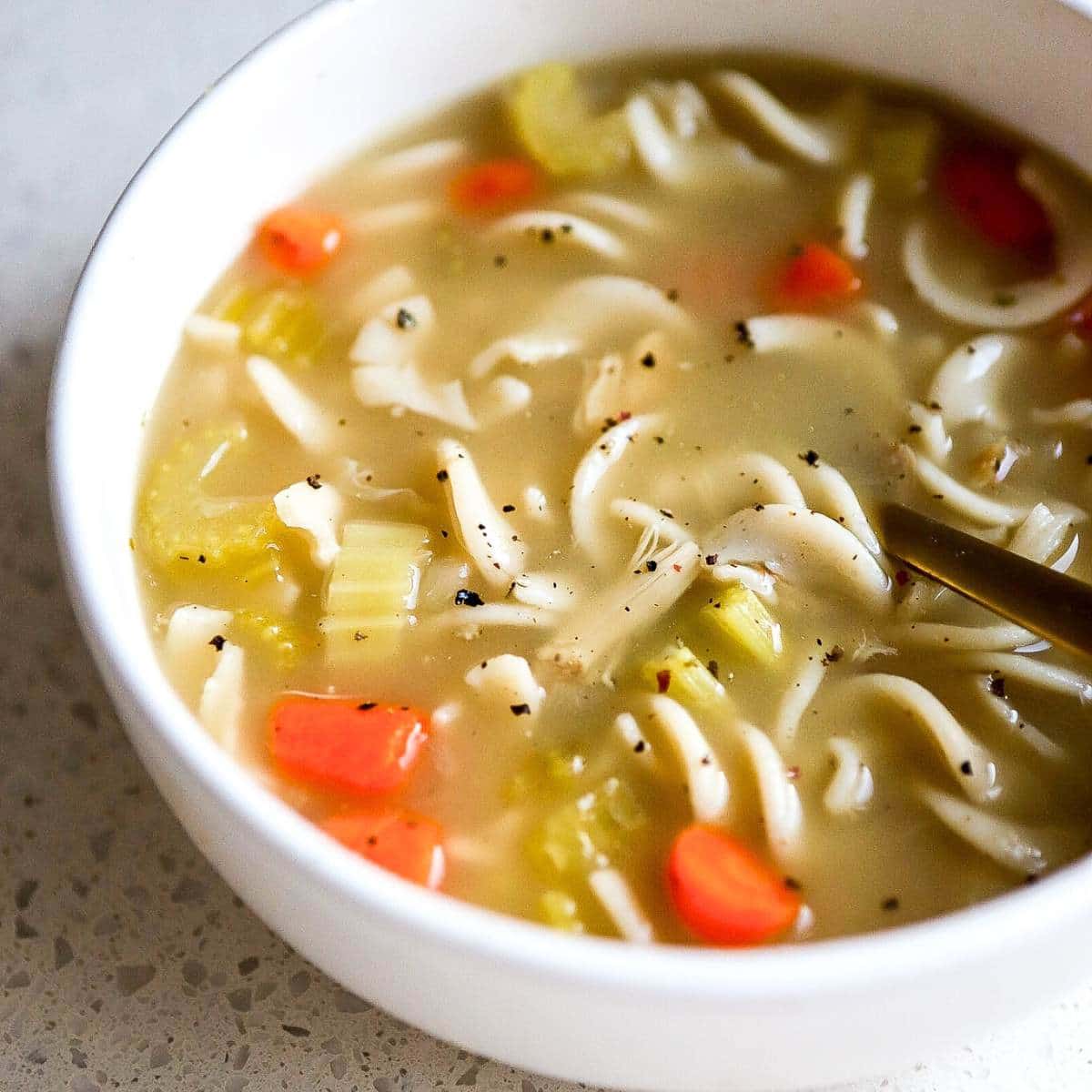
Comfort in a Bowl: Customizable Homemade Chicken Carcass Soup
The aroma of simmering chicken soup is an invitation to comfort, warmth, and deliciousness. Yet, for many, the journey to this culinary haven often begins with a forgotten hero: the leftover chicken carcass. If you've ever gazed at the remnants of a beautiful roasted or rotisserie chicken and wondered what to do next, prepare to have your kitchen world transformed. This isn't just about making soup; it's about embracing sustainability, maximizing flavor, and crafting a meal that truly nourishes the soul.
Homemade
chicken carcass soup is a culinary art form that turns potential waste into a golden elixir. It’s a testament to the idea that some of the most satisfying meals come from the simplest, most overlooked ingredients. With a handful of pantry staples like humble onions, carrots, and celery, combined with the rich bones of a cooked chicken, you unlock a depth of flavor that store-bought broths simply cannot match. What emerges is a hearty, wholesome soup, infinitely customizable and guaranteed to become a family favorite.
The Unsung Hero of Your Kitchen: Why Chicken Carcass Soup?
Thinking about making a homemade chicken soup from scratch can feel daunting, but when you start with a carcass, half the work is already done. This approach isn't just practical; it's smart, economical, and incredibly rewarding.
Unlocking Deep Flavor
The magic of
chicken carcass soup lies in its deeply flavorful, golden broth. Simmering the bones, cartilage, and any clinging meat extracts collagen, gelatin, and minerals, creating a rich mouthfeel and unparalleled taste. This process yields a broth that is savory, complex, and incredibly nourishing—a far cry from the often-watery, additive-laden store-bought alternatives. The long, slow extraction of flavors during the simmering process means every spoonful of your homemade soup bursts with an authentic chicken essence that is both comforting and revitalizing. When you compare it to canned broth, the difference is night and day; the homemade version offers a truly authentic and robust foundation for your soup. To dive deeper into how to achieve this rich base, explore our guide on
Rich, Flavorful Broth: Easy Homemade Chicken Carcass Soup.
A Budget-Friendly Feast
In an era where every penny counts, finding ways to stretch your food budget is invaluable. Transforming a leftover chicken carcass into a brand new meal is the epitome of smart, economical cooking. Instead of discarding the bones after carving your roast chicken, you effectively get a second, often equally delicious, meal from your initial purchase. This practice significantly reduces food waste, allowing you to maximize the value of your ingredients and create an entirely new dish with minimal additional cost. It’s an empowering way to cook, demonstrating how ingenuity in the kitchen can lead to both savings and culinary delight. For more insights on this approach, check out
Maximize Leftovers: Budget-Friendly Chicken Carcass Soup Recipe.
Culinary Creativity: Endless Customization
One of the most appealing aspects of homemade
chicken carcass soup is its incredible versatility. This isn't a rigid recipe; it's a template for your creativity. Whether you're craving something hearty and traditional, or you want to experiment with bold new flavors, this soup adapts beautifully. You can adjust the vegetables, swap starches, add a variety of spices, or top it with diverse garnishes to suit your mood, your pantry, or your dietary preferences. This adaptability ensures that your chicken carcass soup can be a fresh and exciting experience every time you make it.
From Bones to Broth: Crafting Your Flavor Foundation
The heart of any great chicken soup is its broth. Making stock from a chicken carcass is a straightforward process that rewards you with an incredibly rich base for your soup.
Essential Ingredients for Your Stock
To create your fundamental chicken stock, you'll need a few key players:
- Leftover Chicken Carcass: Whether from a roasted whole chicken or a rotisserie bird, this is your star ingredient. Don't be afraid to include any picked-over bones, skin, or leftover bits of meat.
- Filtered Cold Water: Starting with cold water allows the flavors and nutrients to be extracted slowly and efficiently, resulting in a clearer, richer broth.
- Aromatics: Classic mirepoix (onions, carrots, celery) are non-negotiable. Roughly chopped, they infuse the broth with a sweet, earthy depth. A whole garlic clove or two can also be a wonderful addition.
- Herbs and Spices: Bay leaves are standard for their subtle, savory note. Dried oregano and basil are excellent choices, contributing classic comfort flavors. For a fresh finish, consider adding parsley stems to the simmering stock.
- Seasoning: A pinch of sea salt and a few peppercorns (or freshly cracked black pepper) enhance the overall flavor. Remember you can always adjust seasoning later.
The Simmering Secret
The process is simple: place your carcass and aromatics in a large pot, cover with cold water, and bring it to a gentle simmer. Crucially, resist the urge to boil vigorously. A low, slow simmer over several hours (typically 2-4 hours, though some go longer) is key to extracting maximum flavor and collagen without turning the broth cloudy or bitter. As it simmers, you might see foam rise to the surface; simply skim this off with a spoon to ensure a clear broth. Once satisfied with the flavor, strain the broth through a fine-mesh sieve, discarding the solids. You'll be left with a golden, aromatic liquid – the perfect foundation for your soup.
Building Your Bowl: Customizing Your Carcass Soup
Once you have your magnificent homemade broth, the real fun of building your
chicken carcass soup begins. This is where you transform your flavorful stock into a complete, satisfying meal.
Pasta or Rice?
The choice of starch can dramatically change the character of your soup.
- Pasta: Egg noodles are a classic, offering a tender bite. Smaller pasta shapes like ditalini, orzo, or even broken spaghetti also work beautifully. For those avoiding gluten, a wide array of gluten-free pasta options are readily available.
- Rice: Long-grain white rice or wild rice can add a different texture and heartiness. Cook it directly in the broth for maximum flavor absorption, or cook separately and add at the end to prevent it from becoming too mushy.
- Other Grains: Consider barley for a chewy, fiber-rich addition, or even quinoa for a protein boost.
Veggie Variety
Beyond the initial mirepoix used in the stock, adding fresh vegetables elevates the nutritional value and texture of your finished soup.
- Classic Additions: Freshly diced carrots, celery, and onions are always welcome. Add them early enough to cook until tender.
- Leafy Greens: Stir in spinach, kale, or Swiss chard in the last few minutes of cooking for a vibrant boost of nutrients and color.
- Root Vegetables: Diced potatoes, sweet potatoes, or turnips can make the soup incredibly filling and hearty.
- Other Veggies: Peas, green beans, corn, or even bell peppers can be incorporated based on your preference.
Flavor Boosters and Garnishes
This is where you truly make the soup your own.
- Shredded Chicken: While the carcass might yield a little meat, adding extra shredded cooked chicken (perhaps from your initial roast) ensures a protein-packed bowl.
- Fresh Herbs: A sprinkle of fresh parsley, dill, or chives just before serving brightens the flavors and adds a beautiful aroma.
- Citrus: A squeeze of fresh lemon juice at the end can cut through the richness and add a vibrant zing.
- Spice It Up: A dash of red pepper flakes for a subtle kick, or a pinch of curry powder for an exotic twist. Garlic powder, onion powder, and extra dried herbs can also be added to taste.
- Toppings: A sprinkle of grated Parmesan cheese, crunchy croutons, or a dollop of pesto can provide an extra layer of texture and flavor.
Practical Tips for Perfecting Your Soup
Making a great
chicken carcass soup is relatively easy, but a few pro tips can elevate your creation from good to outstanding.
- Don't Rush the Simmer: Patience is key for a truly rich broth. A gentle simmer, not a rolling boil, is crucial for clarity and flavor extraction.
- Skim the Scum: In the first hour of simmering, skim any foam or impurities that rise to the surface. This helps ensure a cleaner, clearer broth.
- Cool Before Storing: If you're not eating it all immediately, allow the soup (or just the broth) to cool completely before refrigerating or freezing. This prevents bacterial growth and keeps your fridge happy.
- Make-Ahead Magic: Chicken carcass soup is fantastic for meal prep. It often tastes even better the next day as the flavors meld and deepen. Store it in airtight containers in the refrigerator for up to 3-4 days.
- Freezing for Future Feasts: Both the plain broth and the finished soup freeze beautifully. For the broth, portion it into freezer-safe containers or even ice cube trays for smaller amounts. Thaw overnight in the refrigerator or gently reheat on the stovetop.
- Add Noodles Last: If you plan to freeze the soup or save a large batch for later, consider cooking the noodles or rice separately and adding them to individual bowls. This prevents them from becoming mushy when reheated.
- Season in Layers: Season your broth lightly initially, then taste and adjust the seasoning after all the other ingredients have been added and cooked. This ensures perfect balance.
In conclusion, transforming a humble chicken carcass into a glorious pot of soup is more than just cooking; it's a mindful act of resourcefulness, flavor creation, and comfort. This budget-friendly, highly customizable, and deeply nourishing
chicken carcass soup provides not just a meal, but a warm embrace in a bowl. It’s an easy, hearty, and delicious way to make the most of your leftovers, reduce food waste, and create a culinary experience that satisfies both body and soul. So, next time you finish a roasted chicken, don't throw away those bones. Embrace the opportunity to craft a truly homemade masterpiece.